




Applying to US MD and DO Programs
With only 17 medical schools in Canada, many strong applicants look south, and applying to US schools is a genuinely good option, not just a second copy of your Canadian application. Scholr helps you decide whether a US cycle is worth running, then build the MD and DO list and applications that actually fit.
Trusted by 1,500+ students at








How It Works
Decide whether a US cycle is worth it
Before you spend the money, we give you a straight read on how your GPA and MCAT translate to American norms, and whether a dual Canada and US cycle genuinely improves your odds or just doubles your workload.
MD, DO, and the schools actually open to you
Most American public schools do not admit international applicants, so a generic list wastes thousands of dollars. We identify the MD and DO programs with a real record of accepting Canadians, weigh the osteopathic route honestly against the allopathic one, and make sure you have a letter from a DO physician where programs expect it.
AMCAS, AACOMAS, and the secondary essay summer
American applications ask for different things than OMSAS does: a personal statement, fifteen work and activities entries, then a secondary essay from nearly every school within weeks. DO programs run through AACOMAS and turn on one question, why osteopathic medicine specifically. We plan that summer with you and keep you submitting early, because admissions is rolling.
Funding, interviews, and the road home
We help you plan proof-of-funds and escrow requirements before they surprise you, prepare you for American interview formats, and work through what returning to Canada would involve, whether that means the international medical graduate stream at CaRMS or an American residency and board certification first.


Doctors Supporting Future Doctors
Physicians, former admissions committee members, and recently accepted medical students. From schools including Toronto, McGill, UBC, and McMaster.
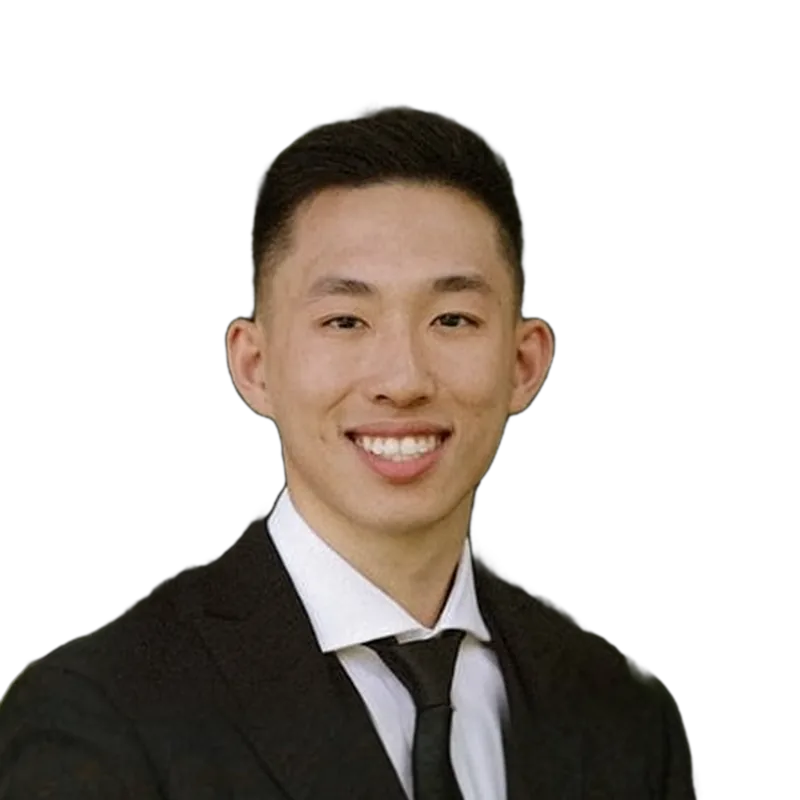
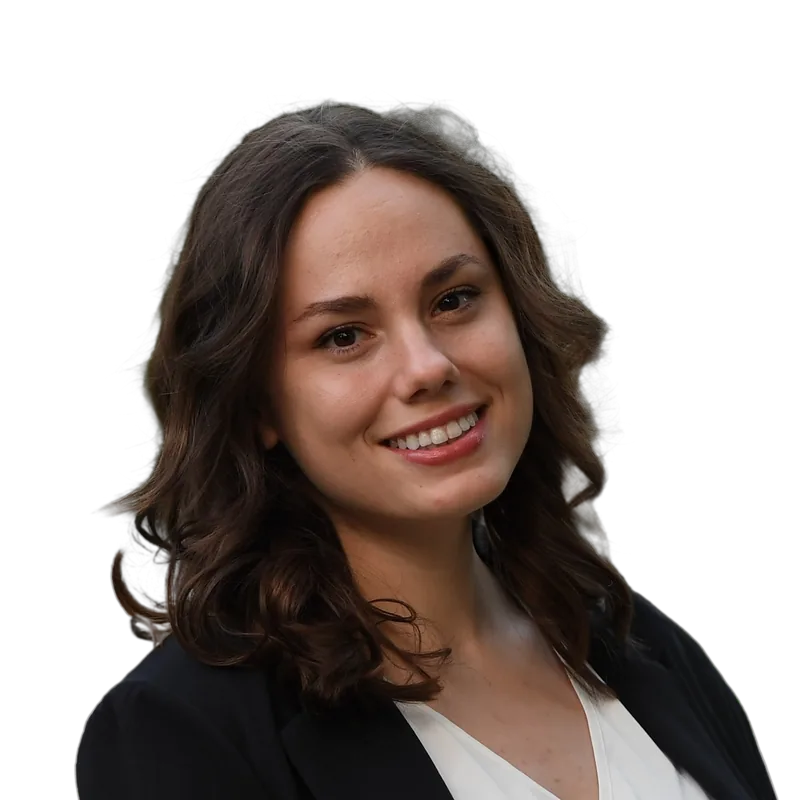
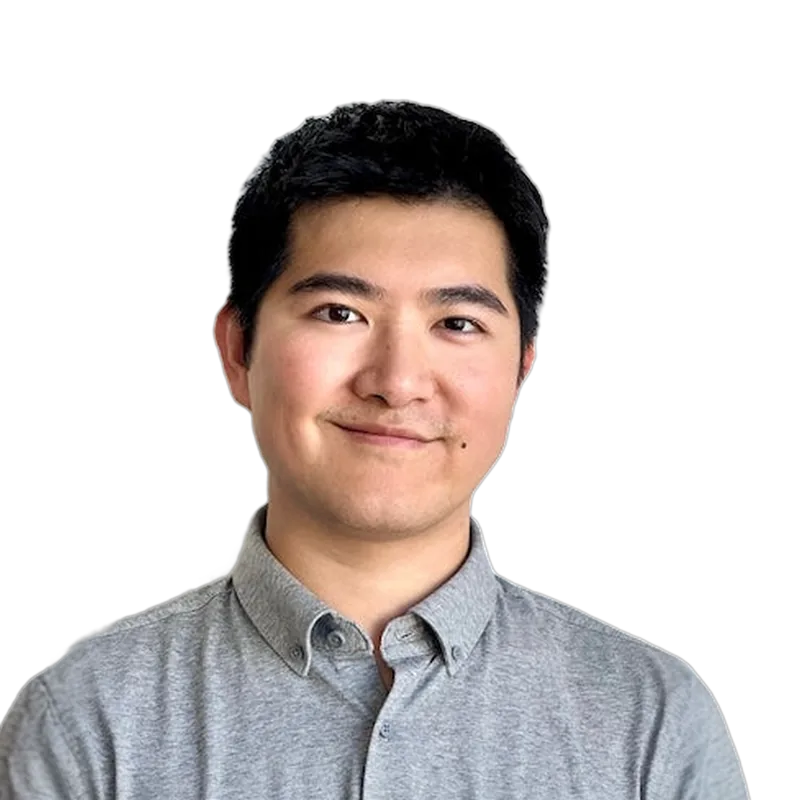
Results built on strategy, mentorship, and support.
We only take 300 students a year, so every one of them gets our full attention.
Speak with an Advisor
Frequently asked questions

Yes, and Canadians are treated more favourably than most international applicants. AMCAS verifies Canadian coursework directly, so your transcript is read on its own terms rather than requiring American credits first. The catch is that you are still an international applicant, and only a portion of US schools consider international applicants at all. Osteopathic schools are generally more open to Canadians than MD programs are.
For many Canadians, yes. A DO is a fully licensed American physician who trains for the same four years, enters the same residency system, and can pursue any specialty, with several hundred additional hours of hands-on musculoskeletal training. There are no osteopathic schools in Canada, so it means studying in the United States, but DO programs accept Canadian citizens more readily and their entering numbers are somewhat more forgiving. They also screen hard for applicants who want osteopathic medicine specifically rather than a backup.
No, and this is the most common and most costly confusion in Canada. An American-trained DO is a physician, trained and licensed as one in the United States, who can prescribe, operate, and specialize. A Canadian osteopath or osteopathic manual practitioner is a manual therapy provider, not a physician, and the training is entirely different. If your goal is to practise medicine, the DO you want is the American medical degree.
Yes, but plan the route before you apply rather than after. Canada recognizes both the MD and the DO from accredited American schools, though recognition is not a licence: independent practice generally means completing an ACGME-accredited residency and holding board certification, and Ontario only opened that pathway to osteopathic physicians in the last couple of years. Coming back for residency is the harder door, since CaRMS treats graduates of American schools as international medical graduates rather than alongside Canadian graduates. British Columbia also maintains a separate osteopathic registration class that excludes obstetrics and surgery. These rules differ by province and are still changing, so confirm the current ones with the college where you intend to work.
Canadian citizens cannot access US federal student aid, and many American schools ask international students to show proof of funds or place a year or more of tuition in escrow before enrolling. Most Canadians fund it through provincial student aid, Canadian bank lines of credit, and school-specific scholarships. Plan the money alongside the application, not after it.