





MD Programs in Canada
Canada has 17 medical schools, and each decides who to interview in its own way, most reserving their seats for in-province students and recalculating GPA by their own formula. Scholr walks you through all of it, from a realistic school list to CASPer and interviews, guided by recently admitted students, physicians, and former admissions evaluators.
Trusted by 1,500+ students at











How It Works
Your school list
We recalculate your average under each school's own GPA formula and weigh it against provincial quotas and MCAT policies, so your list is built on where you are genuinely competitive rather than on rankings.
Your application and ABS
The OMSAS autobiographical sketch asks you to describe real work in very few words, and every school outside Ontario wants something different. We go through your entries, essays, and referees with you, well ahead of the early October deadline.
CASPer and Kira
The online assessments are where a strong application can quietly lose ground. We run timed practice with specific feedback until you have a reliable way to read a scenario and answer clearly inside the time limit.
Interviews
Most Canadian schools make their decision at the interview. We run full MMI circuits and panel practice with real feedback, so the last step of the process becomes the one you are most prepared for.


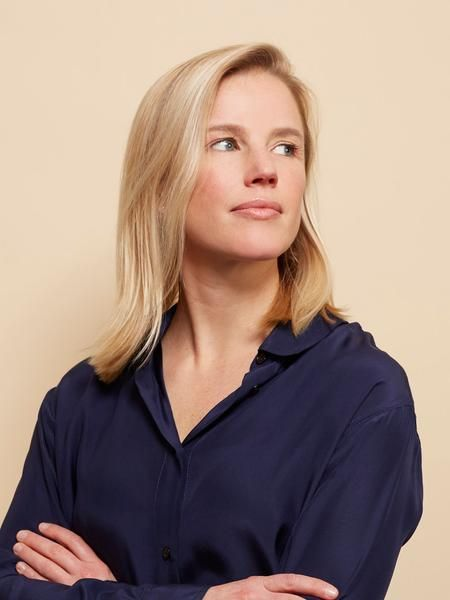

Doctors Supporting Future Doctors
Physicians, former admissions committee members, and recently accepted medical students. From schools including Toronto, McGill, UBC, and McMaster.
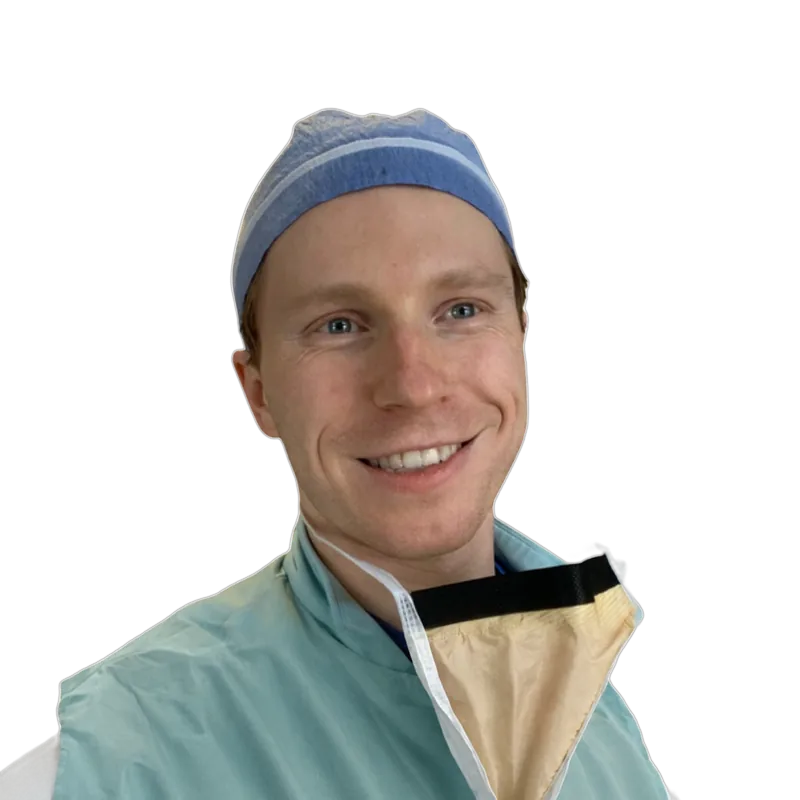



Results built on strategy, mentorship, and support.
We only take 300 students a year, so every one of them gets our full attention.
Speak with an AdvisorA student we helped into a Canadian MD program

From Computer Science to Medical School on the First Try
“Scholr is quite personalized. They get to know you, get to know what your background is, and how they can help portray that in the way that shines best for admissions committees.”
Frequently asked questions

OMSAS converts each course's percentage onto its own 4.0 scale, then the schools apply their own rules on top: some drop your lowest year or your lowest courses, some weight recent years more heavily, and some use everything. Two schools can therefore read the same transcript very differently, so your OMSAS GPA is not one number, it is one per school.
You can, but the odds change dramatically. Most Canadian schools hold the large majority of their seats for in-province applicants and open only a small pool to everyone else, and a few effectively do not consider out-of-province applicants at all. Ontario schools are generally the most open. Applying out of province is worth doing deliberately, with clear eyes about which pools you are actually entering.
It depends entirely on your list. Some Canadian programs require it with hard section cutoffs, some use only certain sections, and others do not require it at all. Because schools treat it so differently, decide your list first and let that determine whether the MCAT is worth your summer.
Apply everywhere you clear the cutoffs and genuinely fit, which for most applicants is a handful rather than all 17. Applications where you miss a stated GPA or MCAT threshold are not long shots, they are filtered before a human reads them, so the money is better spent strengthening the applications that can actually land.
Four years at most schools, and three at McMaster and Calgary, which run compressed programs without summers off. Residency through CaRMS follows and runs two to five or more years depending on the specialty you match into.