






MD Programs
Getting into medical school in the United States is less about one perfect number than how well the pieces fit together. Grades and the MCAT get you a read; your experiences, essays, and school list get you accepted. Scholr helps you position every piece, guided by mentors, physicians, and former admissions evaluators who have been through it.
Trusted by 1,500+ students at







How It Works
An honest read on where you stand
We review your GPA, MCAT, clinical hours, research, and service against what MD programs actually reward, and tell you plainly what is strong, what is thin, and what is fixable in the time you have.
Your timeline and school list
We work backward from the cycle you are targeting so the MCAT, your prerequisites, and your experiences land in the right order, then build a school list calibrated to your numbers, your state, and your mission fit rather than a ranking.
AMCAS, essays, and secondaries
Your personal statement, your fifteen work and activities entries, and a summer of secondary essays all have to tell one coherent story. We shape that story with you and keep you submitting early, when rolling admissions still favors you.
Interviews and decisions
We run realistic practice for traditional and MMI-format interviews, then help you weigh offers, waitlists, and reapplication honestly, so the last step of the process is as strategic as the first.


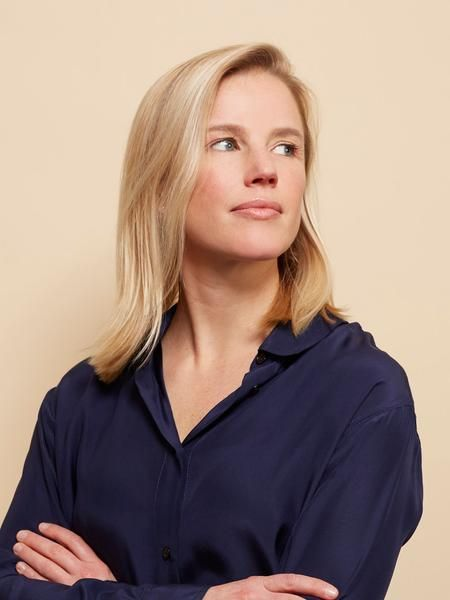

Doctors Supporting Future Doctors
Physicians, former admissions committee members, and recently accepted medical students. From schools including Yale, Stanford, Harvard, and Weill Cornell.


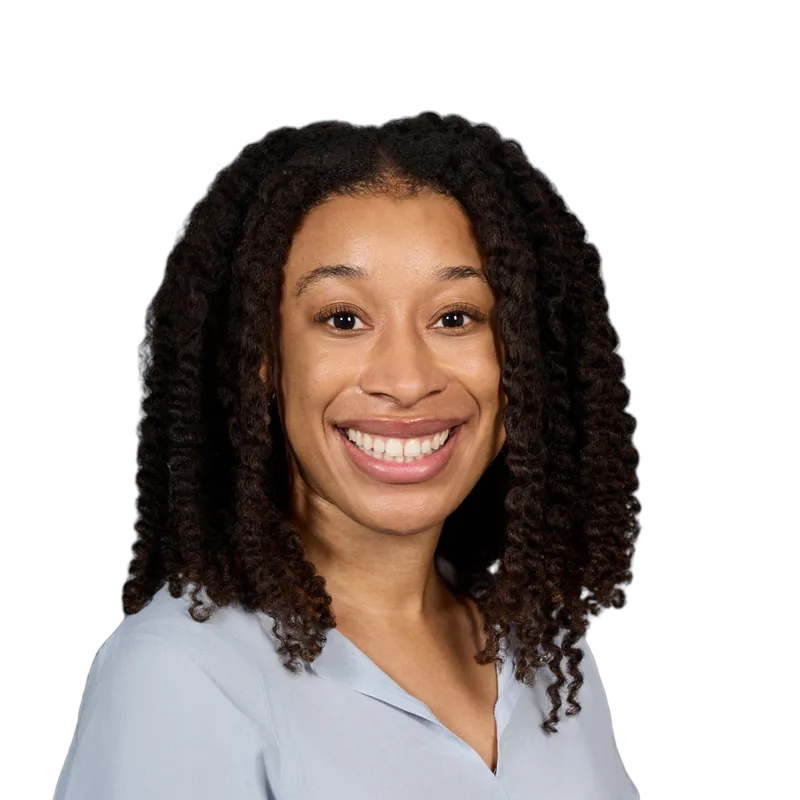
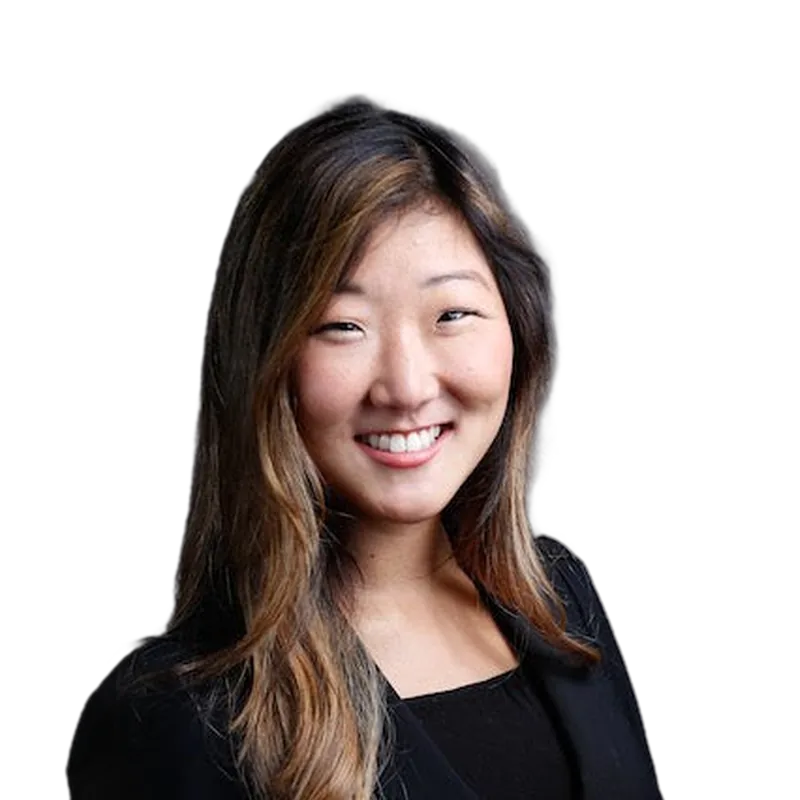
Results built on strategy, mentorship, and support.
We only take 300 students a year, so every one of them gets our full attention.
Speak with an AdvisorA student we helped into an MD program

Accepted on the First Try, With No Gap Year
“It was very easy to tell that these people genuinely cared about the success of their clients.”
Frequently asked questions

Nearly every US MD program expects a bachelor's degree, the prerequisite science and math coursework, the MCAT, letters of recommendation, and evidence of clinical exposure, service, and research. Requirements vary school by school, which is why the school list you build matters as much as the numbers you bring.
Roughly 40 percent of applicants are admitted somewhere in a given cycle, and most successful applicants apply broadly. GPA and MCAT open the door, but experiences, essays, and interviews decide it. The applicants who struggle are usually well qualified and poorly positioned.
AMCAS opens in early May and submissions begin in late May or early June, about 15 months before you would start school. Admissions is rolling at most programs, so applying in June rather than August is one of the largest advantages available to you, and it is free.
Medical school is four years: two years of preclinical coursework and two years of clinical rotations. Residency follows and runs three to seven more years depending on specialty, so it helps to plan the whole arc rather than just the application.
It is worth it when it changes decisions, not just documents. The value is in an honest read on where you stand, a school list matched to your profile, and feedback from people who have sat on the other side of the table. If you only want essays proofread, you do not need us.