




DO Programs
A DO is a fully licensed physician with the same practice rights as an MD, trained through around 40 colleges of osteopathic medicine that screen for something MD programs do not: a real reason you want osteopathic medicine. Scholr helps you decide whether the DO path fits, meet the requirements, and answer that question in a way admissions committees believe.
Trusted by 1,500+ students at







How It Works
Know where you stand against DO norms
We assess your GPA, MCAT, and experiences against real osteopathic matriculant data rather than MD benchmarks, then tell you plainly whether you are competitive this cycle, and where AACOMAS grade replacement history changes the picture.
Build a DO school list that fits your profile
Osteopathic programs differ sharply in mission, regional preference, and how they weigh service. We build a list matched to who you actually are, and make sure you have a letter from a DO physician where programs expect one.
Answer “why osteopathic medicine” convincingly
This is the question that decides DO applications, and generic answers are obvious to the people reading them. We help you connect the osteopathic approach to what you have genuinely done and seen, through your AACOMAS personal statement and experience entries.
Prepare for DO interviews, and the match beyond
We run mock interviews with people who have sat on the other side of the table, then think past admission with you: whether to sit the USMLE alongside COMLEX, and how that choice shapes which specialties stay open at match.


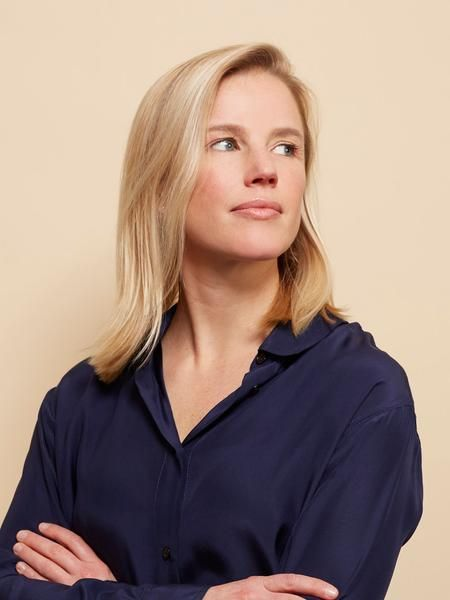

Doctors Supporting Future Doctors
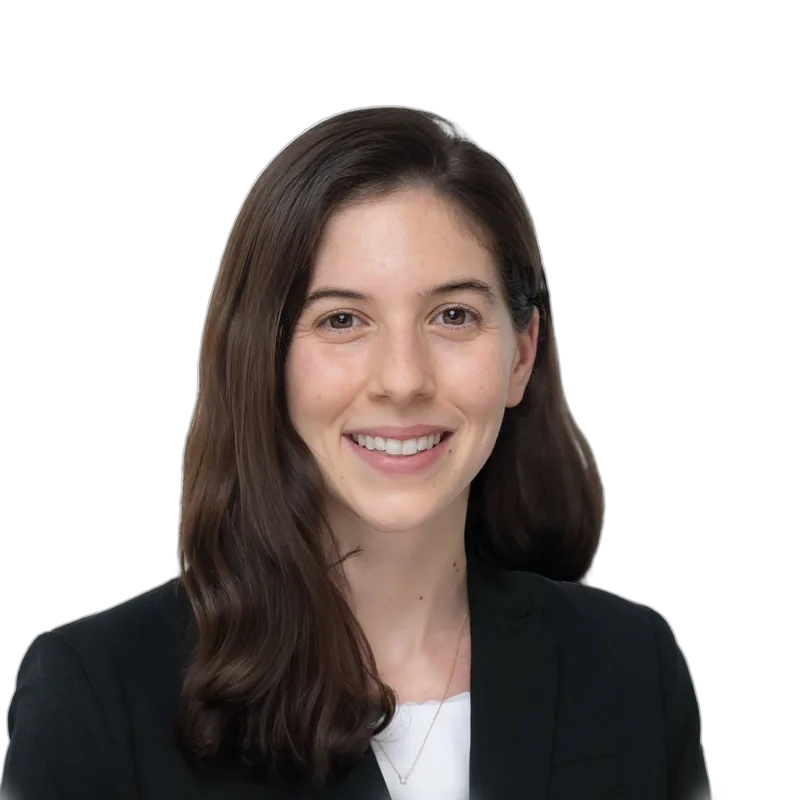
Physicians, former admissions committee members, and recently accepted medical students. From schools including Yale, Stanford, Harvard, and Weill Cornell.
Results built on strategy, mentorship, and support.
We only take 300 students a year, so every one of them gets our full attention.
Speak with an AdvisorA student we helped into medical school
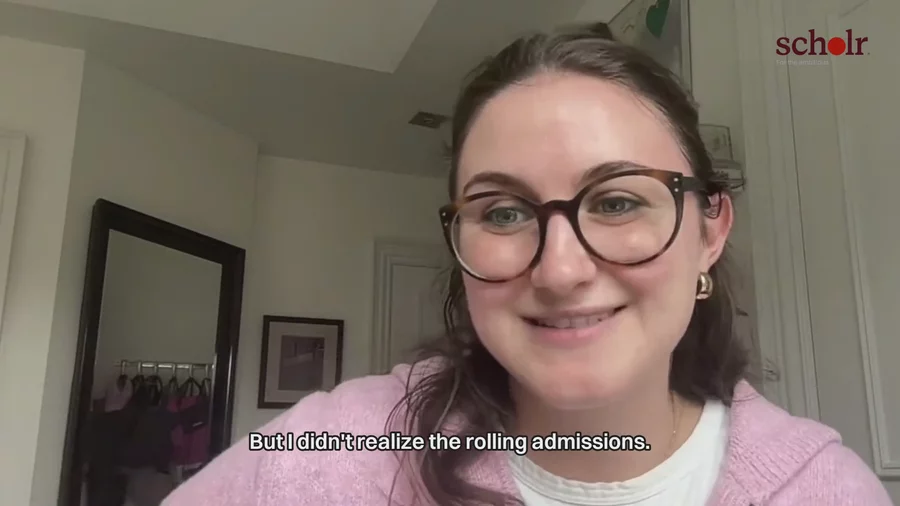
From Two Failed Cycles to Six Medical School Acceptances
“Working with several different people is much more valuable, especially medical students who went through it more recently themselves.”
Frequently asked questions

A DO is a Doctor of Osteopathic Medicine: a fully licensed physician who can practice in every specialty and prescribe medication in all 50 states. DO training covers the same medical science as MD training, plus several hundred additional hours in osteopathic manipulative medicine, a hands-on approach to diagnosing and treating the musculoskeletal system.
In practice, very little. Both complete four years of medical school and the same ACGME residencies, and both hold identical practice rights. The differences are in the training philosophy, the licensing exam (COMLEX for DOs, USMLE for MDs), the application service (AACOMAS rather than AMCAS), and the fact that osteopathic programs expect you to articulate why the osteopathic approach appeals to you.
Yes. DOs are fully licensed physicians with the same scope of practice as MDs across all 50 states, and since 2020 both train in the same unified residency system. DOs work as surgeons, cardiologists, psychiatrists, and everything in between.
Pay is set by specialty, geography, and practice setting, not by the two letters after your name. A larger share of DOs choose primary care, which is what drives the average gap you see quoted. A DO and an MD in the same specialty and the same market are compensated comparably.
Every DO program expects the standard premed prerequisites, a bachelor's degree, the MCAT, clinical and service experience, and letters of recommendation. Matriculants typically enter with around a 3.6 GPA and a 504 MCAT. Many osteopathic programs also ask for, or strongly prefer, a letter from a practicing DO physician, which is the requirement applicants most often discover too late.
AACOMAS is the centralised application service for osteopathic programs. The biggest practical difference is grade replacement history and how coursework is weighted, along with a different personal statement prompt and a separate timeline. Applying to both DO and MD schools means running two application services in parallel, which is very manageable when it is planned for and painful when it is not.
Several programs require one outright and many more prefer it. It is worth arranging shadowing with an osteopathic physician early, both because the letter carries weight and because it gives you something specific to say when you are asked why osteopathic medicine.
AACOMAS opens in early May and applications can be submitted from early June. Osteopathic programs review on a rolling basis, so a June or early-July submission is materially stronger than an otherwise identical application sent in September. Work back from that: MCAT taken by spring, letters requested at least two months ahead, and transcripts sent early, because AACOMAS verification alone can take several weeks at peak.